The Challenges of Moving Grand Pianos: Expert Solutions
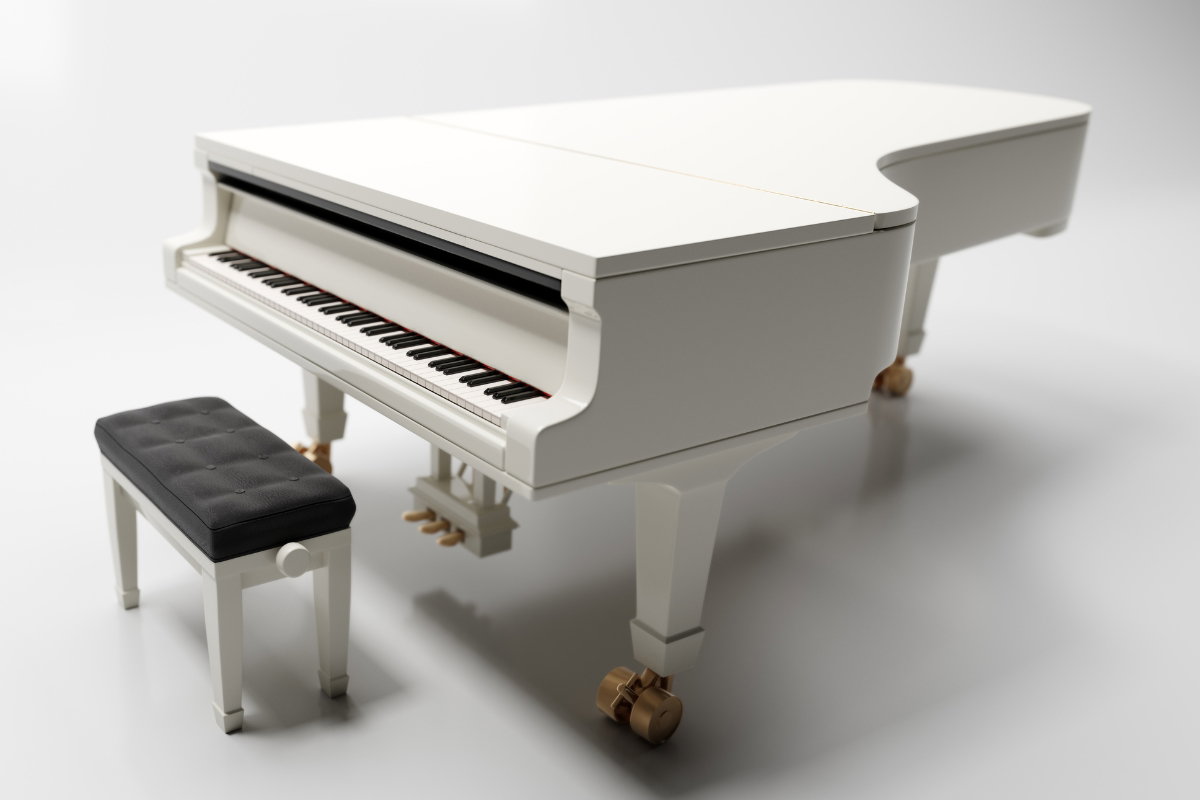
Moving a grand piano can be a huge challenge. Whether you’re moving across town or just rearranging your living room, it’s not as simple as moving a piece of furniture. Grand pianos are large, delicate, and expensive, which makes the process of moving them more complicated than it might seem. They are not only heavy but also made up of intricate parts that need careful handling. Because of their size, weight, and fragility, moving a grand piano requires special knowledge, skill, and the right equipment.
In addition to the physical challenges, there are emotional and financial aspects to consider. If the piano is damaged during a move, repairs can be costly, or in some cases, the piano might even be ruined. This is why many people turn to experts for help. Professional piano movers have the experience and tools needed to make sure the move is as smooth and safe as possible. In this article, we’ll look at the challenges that come with moving a grand piano and the expert solutions that make the process safer and easier.
The Unique Challenges of Moving a Grand Piano
Size and Weight
Moving a grand piano presents a significant challenge due to its sheer size and weight. Depending on the type, these pianos can weigh anywhere from 500 to 1,200 pounds and range from 4 to 9 feet in length. Unlike smaller upright pianos, grand pianos are particularly difficult to manoeuvre, often requiring strategic planning to navigate tight spaces like doorways and hallways. Proper preparation and execution are essential to ensure a safe and successful relocation.
Additionally, grand pianos are tricky to move through tight spaces, such as corners or staircases. Moving a piano without the right equipment or experience can cause damage to the instrument or the home. This is why it’s best to leave the job to professionals.
Fragility of the Instrument
Grand pianos are not just heavy; they are also fragile. The internal parts of a piano, such as the strings, hammers, and action mechanism, are very sensitive. If the piano is bumped, dropped, or jolted too hard, these parts can get damaged. The piano’s strings, which are under extreme tension, can snap or become misaligned if the piano is moved improperly. The action mechanism, which controls how the keys and hammers work, is also delicate, and any kind of mishandling can cause costly repairs.
The piano’s outer casing, made of wood or other materials, is also prone to damage. Scratches, dents, or cracks can lower the value of the piano, especially since many grand pianos are valued for their appearance as much as their sound. This is why it’s important to take special care when moving a grand piano.
Access and Location Challenges
Even if a grand piano can fit through doorways and hallways, getting it to its destination can still be a problem. Pianos are often placed in hard-to-reach spots, such as basements, upper floors, or areas with narrow access. Moving a grand piano up or down stairs, for example, requires careful handling and the right equipment. Without experience, moving a grand piano in these kinds of situations can be dangerous for both the movers and the piano.
The surrounding environment can also create challenges. If the piano is in a space cluttered with obstacles or has tight corners, manoeuvring the piano becomes even more difficult. Professional movers know how to plan the best route for the piano and ensure it gets moved safely, without causing damage to the piano or the surrounding area.
Weather and Environmental Conditions
Weather conditions can also affect the safety of moving a grand piano. Extreme temperatures—whether hot, cold, or humid—can harm the piano. Wood can warp or crack in very dry or humid conditions, and metal components can become brittle in cold weather. If the move takes place over a long distance, exposure to weather can cause damage.
Experienced piano movers are prepared for these challenges and know how to protect the piano from the weather during the move. They might use climate-controlled vehicles to make sure the temperature and humidity are stable, or they may wrap the piano in special padding to prevent any weather-related issues.
Disassembly and Reassembly
Sometimes, moving a grand piano requires taking parts of the instrument apart first. This might include removing the legs, pedals, and lid to make the piano easier to transport. While disassembling the piano can make the move easier, it also adds complexity. Each part must be carefully removed and reassembled at the new location, and if not done correctly, the piano could be damaged.
Piano movers have the knowledge and skills to safely disassemble and reassemble a grand piano. They know how to handle each part properly, ensuring that the piano functions properly once it’s set up in its new place.
Insurance and Liability
Given the value of a grand piano, insurance is an important consideration. If the piano gets damaged during the move, the repair costs can be significant. It’s important to choose a piano moving company that offers specialised insurance coverage to protect the instrument. Without this coverage, a damaged piano could lead to a financial loss.
Before hiring piano movers, always check that they have the right insurance and are licenced to move grand pianos. This will give you peace of mind knowing that you’re protected in case anything goes wrong during the move.
Expert Solutions for Moving Grand Pianos
Specialised Equipment
One of the best solutions to the challenges of moving a grand piano is using specialised equipment. Professional piano movers have access to tools designed specifically for the job. Some of the equipment they use includes:
- Piano dollies: These heavy-duty carts are built to support the weight of the piano and make it easier to move it across flat surfaces.
- Lifting straps: These straps help lift the piano safely without straining the movers or damaging the piano.
- Piano boards: These sturdy boards provide a stable surface for the piano during the move.
- Climate-controlled trucks: For longer moves, these trucks help protect the piano from changes in temperature and humidity.
Using this equipment, along with their experience, professional movers can ensure the piano is moved safely and with minimal risk of damage.
Professional Handling and Experience
The key to moving a grand piano safely is professional handling. Piano movers have the training and experience needed to move delicate, heavy instruments like grand pianos. They understand how pianos are built, what parts are most vulnerable to damage, and the best techniques for moving them.
When moving a grand piano, professional movers take the time to assess the situation. They plan the route, identify any obstacles, and make sure everything is ready before they start moving the piano. Their experience in lifting and moving heavy objects ensures that the piano is handled with care at all times.
Disassembly and Reassembly
As mentioned, disassembling a grand piano can make it easier to move. Professional movers know how to carefully remove the piano’s legs, pedals, and lid, and how to secure the internal parts so they don’t get damaged. Once the piano reaches its destination, the movers will reassemble it, making sure everything is in place and works as it should. This level of detail helps keep the piano in great condition after the move.
Climate-Controlled Transport
For long-distance moves or moves in extreme weather, climate-controlled transport is essential. These specialised vehicles protect the piano from temperature changes and humidity, ensuring that the piano arrives in the same condition it is left in. This is especially important for pianos made from wood, which can be sensitive to environmental conditions.
Using climate-controlled trucks ensures the piano is kept in the best possible conditions throughout the move.
Insurance Coverage
Finally, hiring a piano moving company that offers insurance coverage is crucial. With a grand piano, there’s always a risk of damage during the move, and insurance helps protect your investment. Make sure the moving company has the right type of coverage to ensure you are fully protected in case anything goes wrong.
Conclusion
Moving a grand piano is no small task, but with the right expertise, tools, and planning, it can be done safely and efficiently. The challenges of size, weight, fragility, access, and weather all require specialised solutions, and professional piano movers are the best people to handle these tasks. If you're moving a grand piano, it’s always a good idea to trust the job to the experts.
For those in need of reliable piano movers, Sydney Piano Removals offers professional services with the experience and equipment necessary to handle your piano move with care. Whether you're moving a short distance or across the country, their team ensures your piano will be safe throughout the entire process.
